
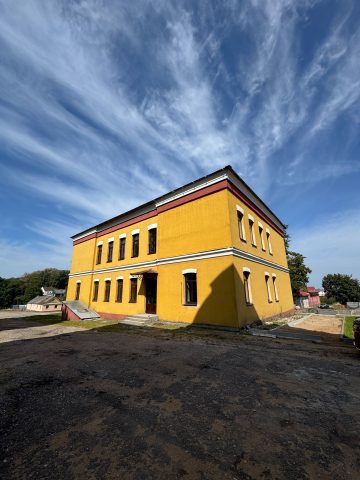
Building in Novogrudok which will become part of the new Holocaust Museum complex Image credit: The Together Plan
On a late summer day in Novogrudok, a town steeped in the layered history of Eastern Europe, a meeting took place that sought to take the first steps towards mending a tear in the fabric of memory. On August 28, 2025, a working group gathered not just to plan a museum, but to resurrect a story long overshadowed by the very borders that once divided this land. The landmark initiative—the creation of the Belarusian Holocaust and Resistance Museum—is significant not only for what it will remember, but for where it will stand.
The choice of Novogrudok is profoundly symbolic. Today it is in western Belarus, but before the cataclysm of 1939, it was a vibrant Jewish centre in eastern Poland. Its identity was brutally reshaped when Hitler and Stalin carved up Poland, placing the town under Soviet control. Novogrudok (now Navahrudak, Belarus) fell under Soviet control during the Soviet invasion of Poland in September 1939. The Soviet invasion of the Second Polish Republic began on September 17, 1939, with the Red Army occupying the city and incorporating its territory into the Byelorussian Soviet Socialist Republic shortly after. Two years later, in 1941 the Nazis launched their invasion of the Soviet Union. This complex history makes Novogrudok a poignant stage for a Holocaust museum, not only representing the millions of Jews from the shtetls of pre-war Poland who found themselves trapped within a new, terrifying order, but also the Jews within the Soviet Union who were murdered between 1941 and 1944 and the impact on the wider non-Jewish Belarusian population. The museum will thus tell a story that transcends modern borders, speaking to a shared, and often suppressed, European tragedy.
The plan is for the museum to be housed in one or two standalone buildings on the sacred ground of the former Jewish ghetto. This location is the key to its narrative power. From this very site, Jewish prisoners staged one of the most daring acts of defiance of the Holocaust: they dug a tunnel with their bare hands and spoons, and through it, over 250 people staged a mass escape on September 26, 1943. The museum will not just tell this story; it will immerse visitors in it. Conceptual designs being considered at this stage include a glass-covered trench revealing the path of the original tunnel, and a physical tunnel experience, allowing a visceral connection to the prisoners’ desperate courage. This will be more than an exhibition; it will be a journey into the heart of darkness and the spark of resistance.
-

- Building in Novogrudok which will become part of the new Holocaust Museum complex Image credit: The Together Plan
The project, a partnership between the Novogrudok District Executive Committee and the Jewish Religious Union of Belarus The Together Plan’s official partner in Belarus, recognises that such a profound undertaking requires both state support and the embrace of a global community. Funding will blend state budget allocations with philanthropy, with a specific focus on engaging not only the descendants of Novogrudok’s Jews, but also of those who have a connection to Belarus whose families where impacted by the Holocaust and who are now scattered across Europe, North America, Israel and beyond. The educational vision is equally ambitious, extending beyond traditional displays to include virtual reality experiences, digital archives, and dynamic outreach.
Crucially, the museum aims to be a living centre, not a mausoleum. Early ideas suggest that it will offer opportunities to create children’s art competitions, annual commemorations on International Holocaust Remembrance Day and the anniversary of the great escape, and joint celebrations of Jewish holidays with civic and interfaith leaders. This commitment to life is mirrored in a parallel mission: to heal the neglected Novogrudok Jewish cemetery. The working group, having visited the site of broken headstones and overgrown grass, pledged urgent restoration, understanding that caring for the dead is integral to honouring their memory.
-
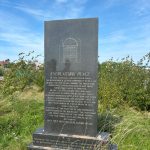
- Memorial to the murdered Jews of Novogroduk, erected in 1997 by the Novogrudok Jewish Association in Israel Image credit: The Together Plan
-
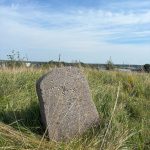
- Gravestone in the Novogrudok Jewish cemetery 2025 Image credit: The Together Plan
-
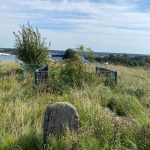
- Novogrudok Jewish Cemetery 2025 Image credit: The Together Plan
-
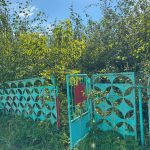
- Gates into the Novogrudok Jewish Cemetery, 2025 Image credit: The Together Plan
As the day concluded with a warm community gathering hosted by the newly formed Novogrudok Jewish community, the outline of a six-month plan took shape – the first steps in creating a plan for cemetery care, for school competitions, for celebration. The Holocaust and Resistance Museum in Novogrudok promises to be more than a building. It is an act of historical reclamation, a long-overdue tribute to a world erased twice over; first by genocide, then by silence. By choosing this contested ground, Belarus is not only honouring those who perished and those who fought back, but is also building a vital bridge between its past and its future, ensuring that the light which escaped through a tunnel of darkness will finally shine for all to see.
We are looking to connect to people from around the world who would like to participate in this new initiative in some way; to follow the progress, contribute by sharing personal stories, to help create awareness and/or by donating.
To learn more about this project please email [email protected]